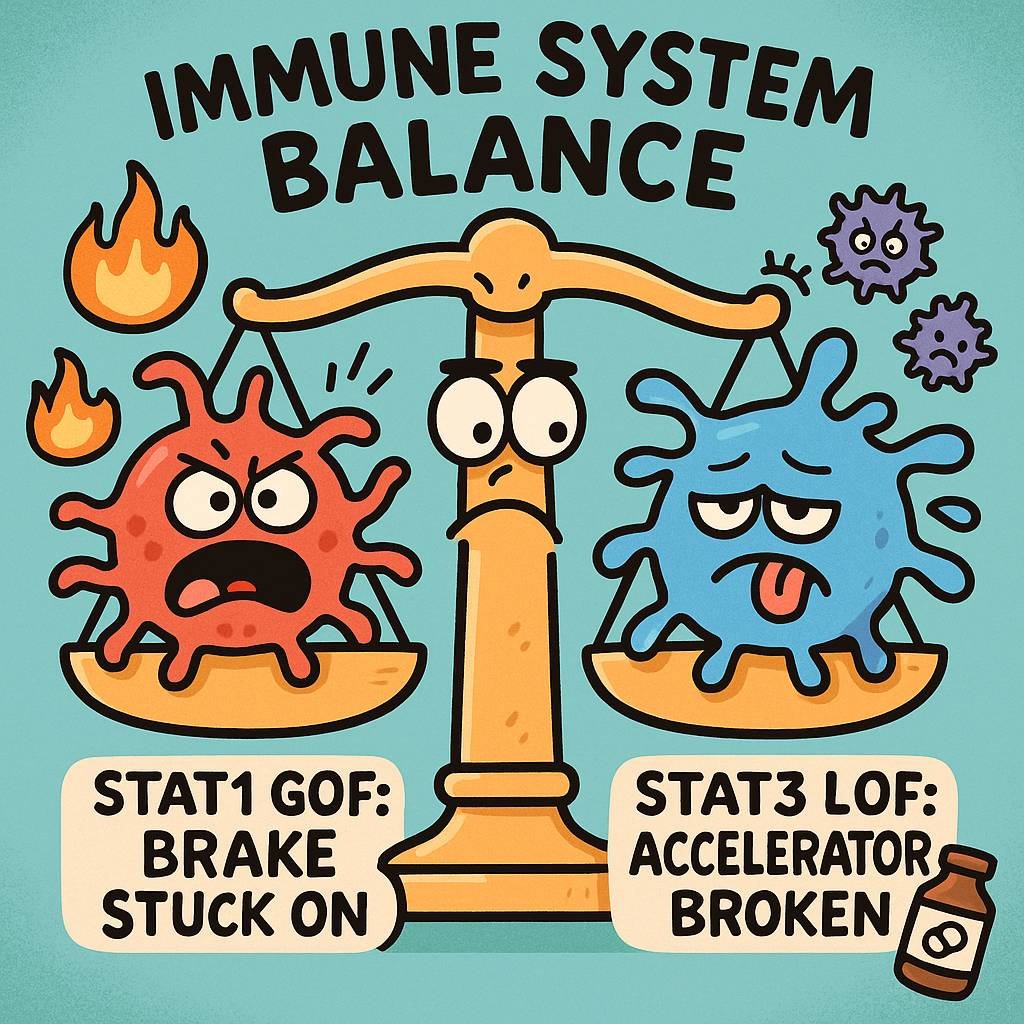
Educational Content Disclaimer This article provides educational information about rare immunodeficiency disorders. It is not medical advice and should not replace consultation with qualified healthcare providers. Individual presentations vary, and management should be personalized under medical supervision. 🔗 Why This Matters for Drug Allergy Detective At Drug Allergy Detective, we focus on helping you understand drug allergies and hypersensitivity reactions. But to truly understand why certain people react to medications differently, we need to explore the immune system’s foundation. This article explores two rare genetic conditions that represent opposite extremes…
Read MoreTag: Drug hypersensitivity
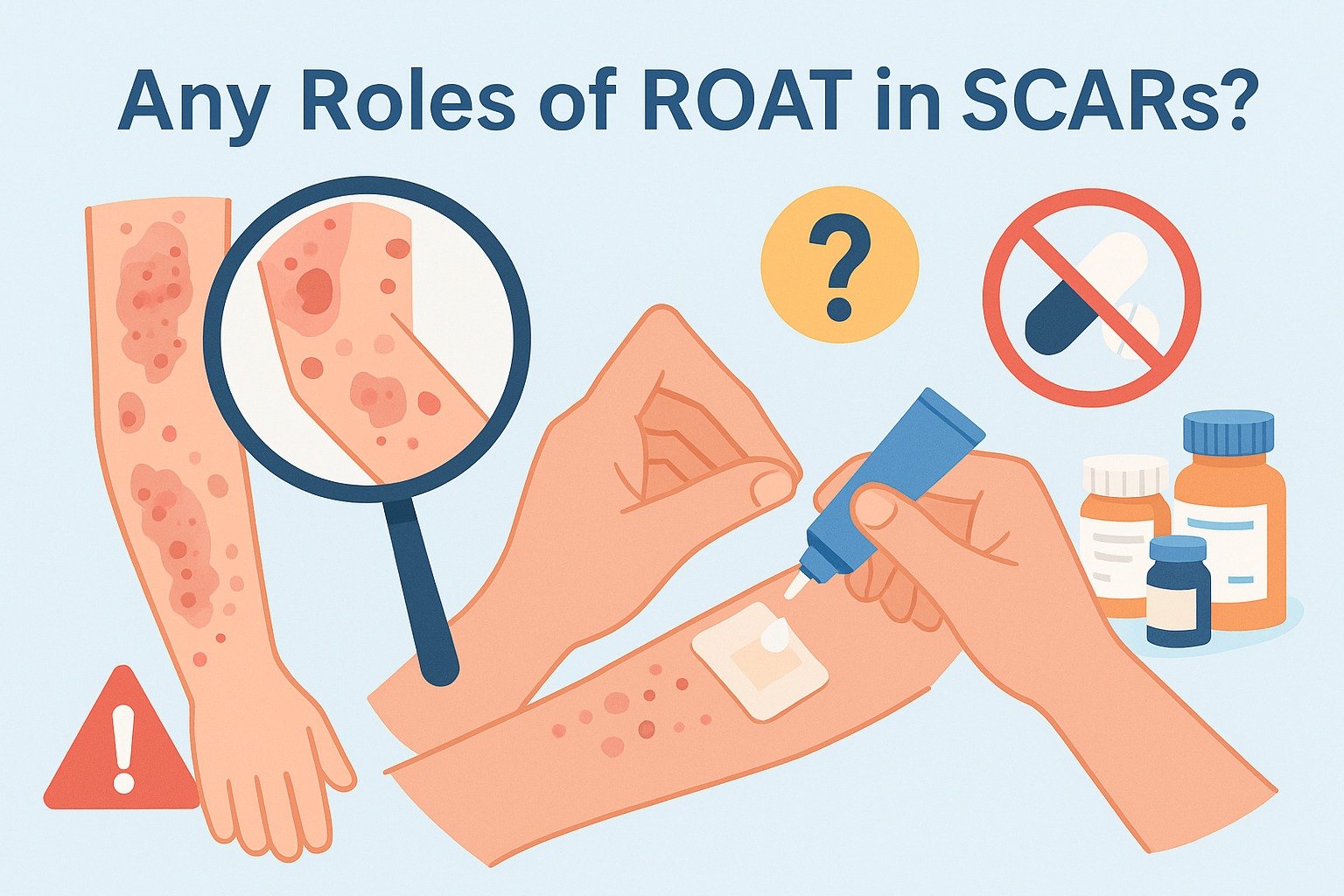
ROAT Patch Testing in SCARs: Is It Time to Reconsider?
Introduction Severe cutaneous adverse reactions (SCARs) — such as DRESS, AGEP, and SJS/TEN — are among the most serious drug hypersensitivity syndromes.The traditional approach is simple: avoid all suspected drugs indefinitely. But this blanket avoidance often creates real-world problems: This raises an important question:👉 Is it time to reconsider the role of patch testing — and even the Repeated Open Application Test (ROAT) — in managing SCARs? Why ROAT Is Feared in SCARs The Repeated Open Application Test (ROAT) is a simple diagnostic tool in delayed hypersensitivity: Concerns in SCARs:…
Read MoreWhen and How to Perform Drug Provocation Tests in Drug Hypersensitivity: Timing Matters
Introduction Drug provocation test timing plays a critical role in evaluating suspected drug allergies. Drug provocation testing (DPT), also known as a drug challenge, remains the gold standard for confirming or ruling out drug hypersensitivity. However, success depends heavily on understanding how soon after drug exposure symptoms appear. By tailoring the timing and protocol of DPT based on the type of reaction—immediate, delayed, or severe—clinicians can improve diagnostic accuracy and minimize risk. This post outlines practical strategies, guideline updates, and real-world challenges that affect how and when drug provocation tests…
Read MoreReevaluating the Approach to Severe Cutaneous Adverse Reactions (SCARs): Is Drug Rechallenge Always Off the Table?
Severe Cutaneous Adverse Reactions (SCARs), such as acute generalized exanthematous pustulosis (AGEP), Drug Reaction with Eosinophilia and Systemic Symptoms (DRESS), and Stevens-Johnson Syndrome (SJS), are among the most feared drug-related complications. These conditions can result in devastating outcomes, and the conventional approach to managing SCARs emphasizes strict avoidance of the suspected culprit drug to prevent potentially fatal recurrences. But is avoidance always the only path forward? Could there be room for a more nuanced strategy in specific cases? Not All SCARs Are Created Equal SCARs represent a spectrum of disorders,…
Read More